CDC vs DA: what's the difference, and which one gets you building sooner?
Planning a renovation, extension or new build in NSW? Here's the difference between the two approval pathways - in plain English - and how to tell which one your project can take.

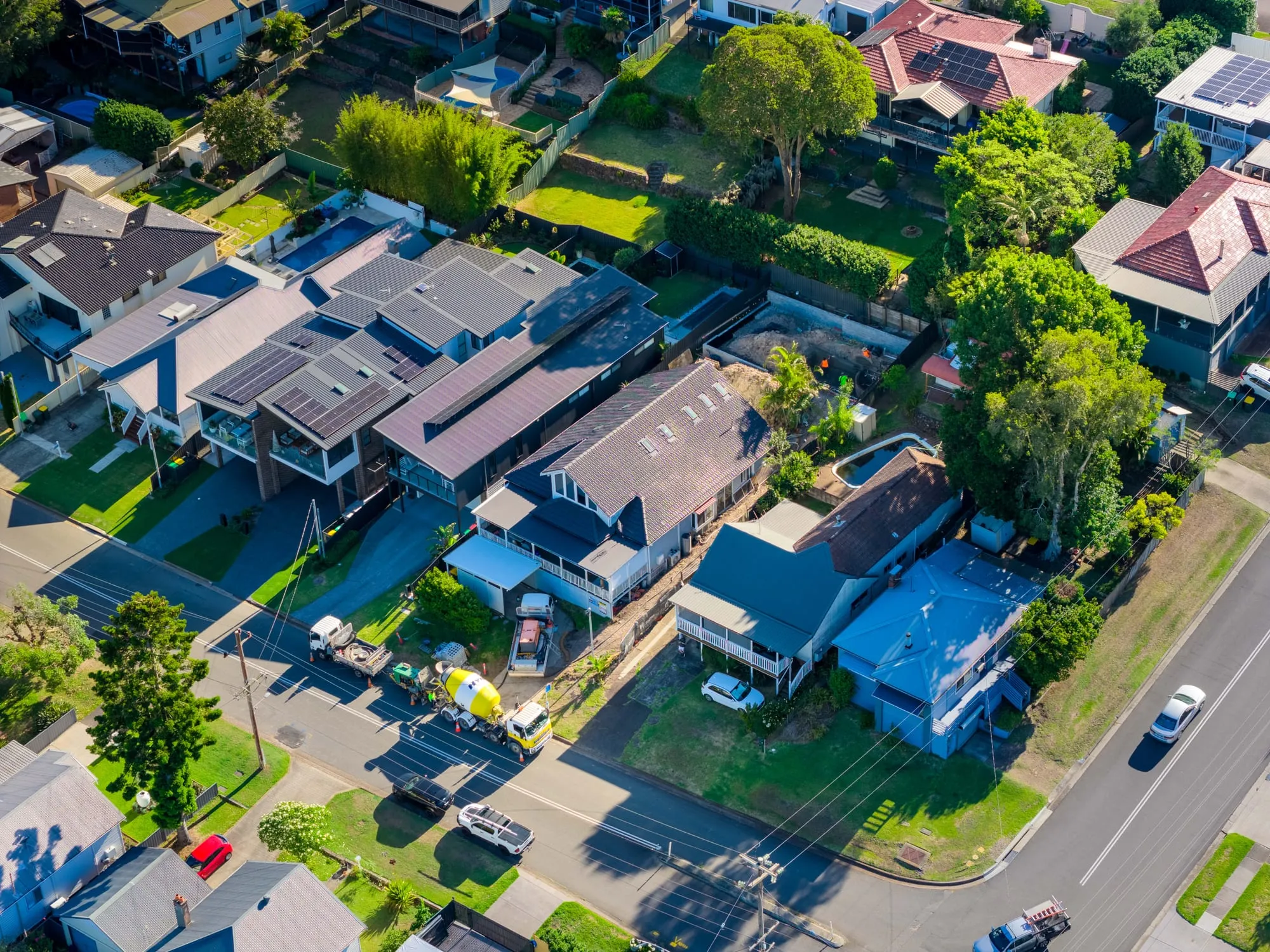
The approval pathway you take shapes how quickly you can start on site.
Short on time? Open this article in your favourite AI assistant for a quick summary or to ask questions.
When you build or renovate in New South Wales, you usually need one of two types of approval: a Development Application (DA) or a Complying Development Certificate (CDC). Knowing which one your project can take is one of the biggest levers on how quickly - and how cheaply - you get started. Here's the difference, without the planning jargon.
What a CDC and a DA actually are
A DA is submitted to your local council. It's the equivalent of asking, “Council, can I do this?” - and waiting while they check it against local planning rules, notify the neighbours, and assess it on merit. It's the scenic route: it can get you there, but expect a few traffic lights along the way.
A CDC is the fast lane. If your project meets every point of a strict state code - with no wiggle room - a private certifier can issue the approval instead of council. Box ticked, you're in. It's faster and simpler, but very black-and-white: if the design doesn't comply 100%, you're moved across to the DA pathway.
Why most homeowners hope for a CDC
If your project can be approved as complying development, here's what you tend to save:
- Time - a CDC is often approved in around 2–4 weeks. A DA can take 3–6 months, depending on the council's workload and whether anyone objects.
- Money - with fewer council fees and far less back-and-forth, a CDC is frequently cheaper by thousands of dollars.
For straightforward projects that sit neatly inside the rules, the CDC is the golden ticket.
So what's the catch?
A CDC only works if your project fits within a very strict set of guidelines - there's no room for negotiation. Miss one rule and it's off the table.
A DA takes longer, but council can assess your plans on merit. So if you're just over the line on a single item - building height, a side setback - they might still approve it. That flexibility is exactly what a CDC doesn't offer.
The CDC saves you time and money - but only if your design complies with every rule, every time.
CDC vs DA at a glance
| Feature | DA | CDC |
|---|---|---|
| Approved by | Local council | Private certifier |
| Typical timeframe | 3–6 months | 2–4 weeks |
| Neighbour objections? | Yes | No |
| Design flexibility | Assessed on merit | None - strict code |
| Cost | Higher | Lower (often by thousands) |
5 quick checks: could your project qualify for a CDC?
Before you get your hopes up, here's a rough DIY checklist. If your project trips on any of these, it may be DA-only:
- Zoning & site restrictions. Check your planning certificate. Flood-prone, bushfire-prone, heritage-listed or wrong-zoned blocks are often DA-only.
- Setbacks. CDCs have strict rules on how far your home or extension must sit from the front, side and rear boundaries.
- Building height & storeys. Most CDCs cap out around 8.5 metres and two storeys. Taller, or on a steep slope, and you're likely looking at a DA.
- Site coverage & floor space. There's a limit on how much of your land you can build on - bigger footprints reduce the chance of CDC approval.
- Minimum landscaped area. A set percentage of the site must stay landscaped, so plans that pave over the whole yard can fall short.
Not sure which pathway your project can take?
Tell us about your site and plans - we'll check your eligibility and point you down the fastest compliant route.
Still not sure which path is right?
If all this makes your head spin, that's normal - the rules are detailed and they change with the site. The shortcut is to have someone who does this every week look at your specific project and tell you which pathway applies before you spend money on the wrong set of documents.
Whether it's a modern new home, a second storey, or turning a tired garage into a proper living space, knowing early whether you're going DA or CDC can save you months of waiting and thousands in costs.
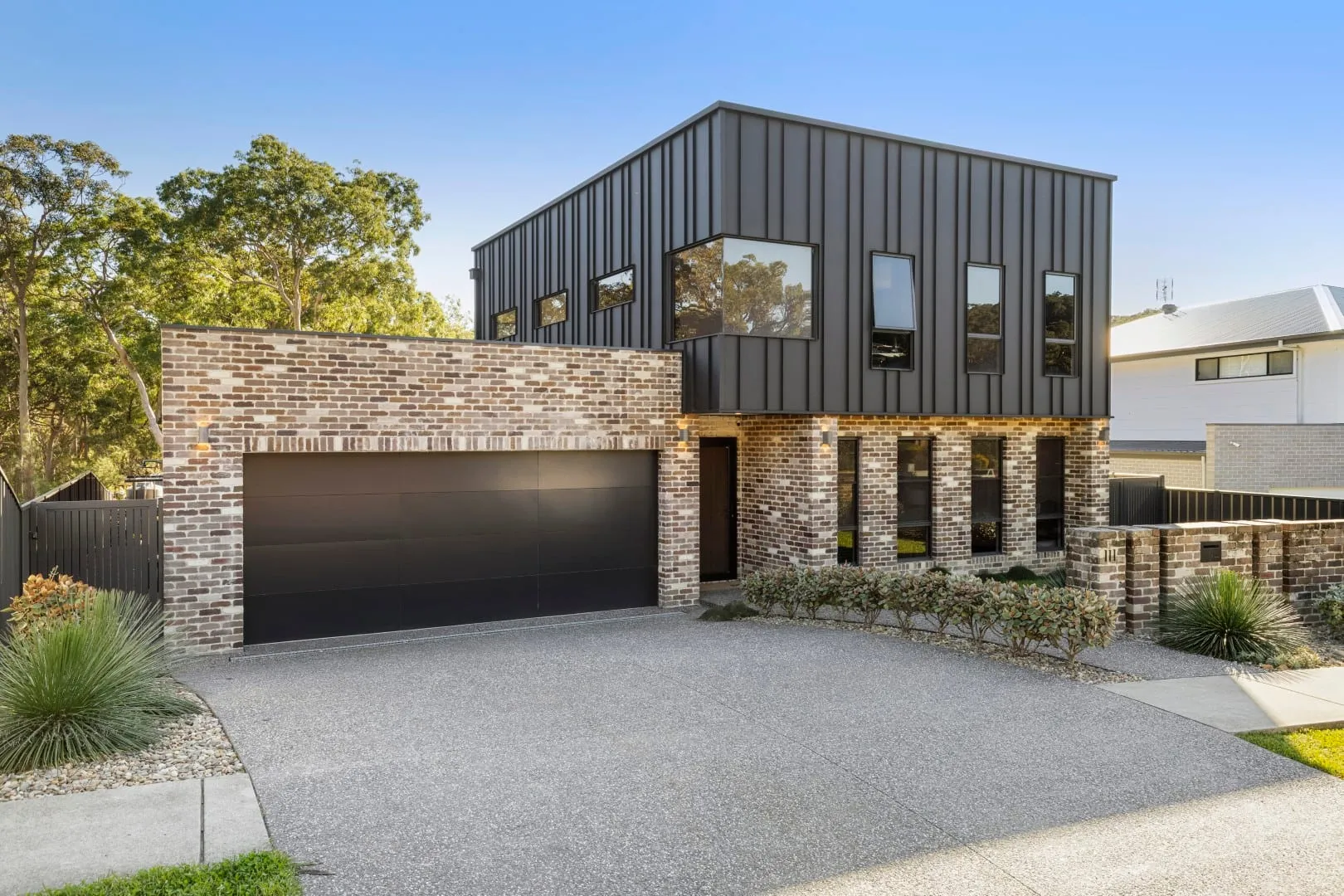
Project Example
Wyndham Way, Lake Macquarie
A full new-home documentation set - from concept through to council-ready working drawings.
View projectFrequently asked questions
What's the difference between a CDC and a DA?
A DA is assessed by your local council on merit and allows some flexibility, but takes longer. A CDC is a fast-track approval issued by a private certifier when a project meets every point of a strict state code - faster and cheaper, but with no room for variation.
Is a CDC faster than a DA?
Usually. A CDC is often approved in around 2–4 weeks, while a DA can take 3–6 months depending on the council and whether neighbours object.
Which is cheaper, a CDC or a DA?
A CDC is generally cheaper - it avoids council application fees and the merit-assessment back-and-forth, often saving thousands compared with a DA.
Can I switch to a DA if my project doesn't comply for a CDC?
Yes. If a design misses even one point of the CDC code, it can still be lodged as a DA, where council assesses it on merit and may approve it despite a minor departure.